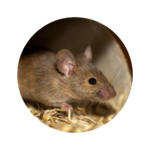
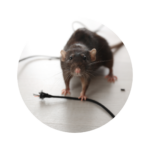
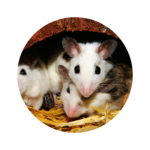
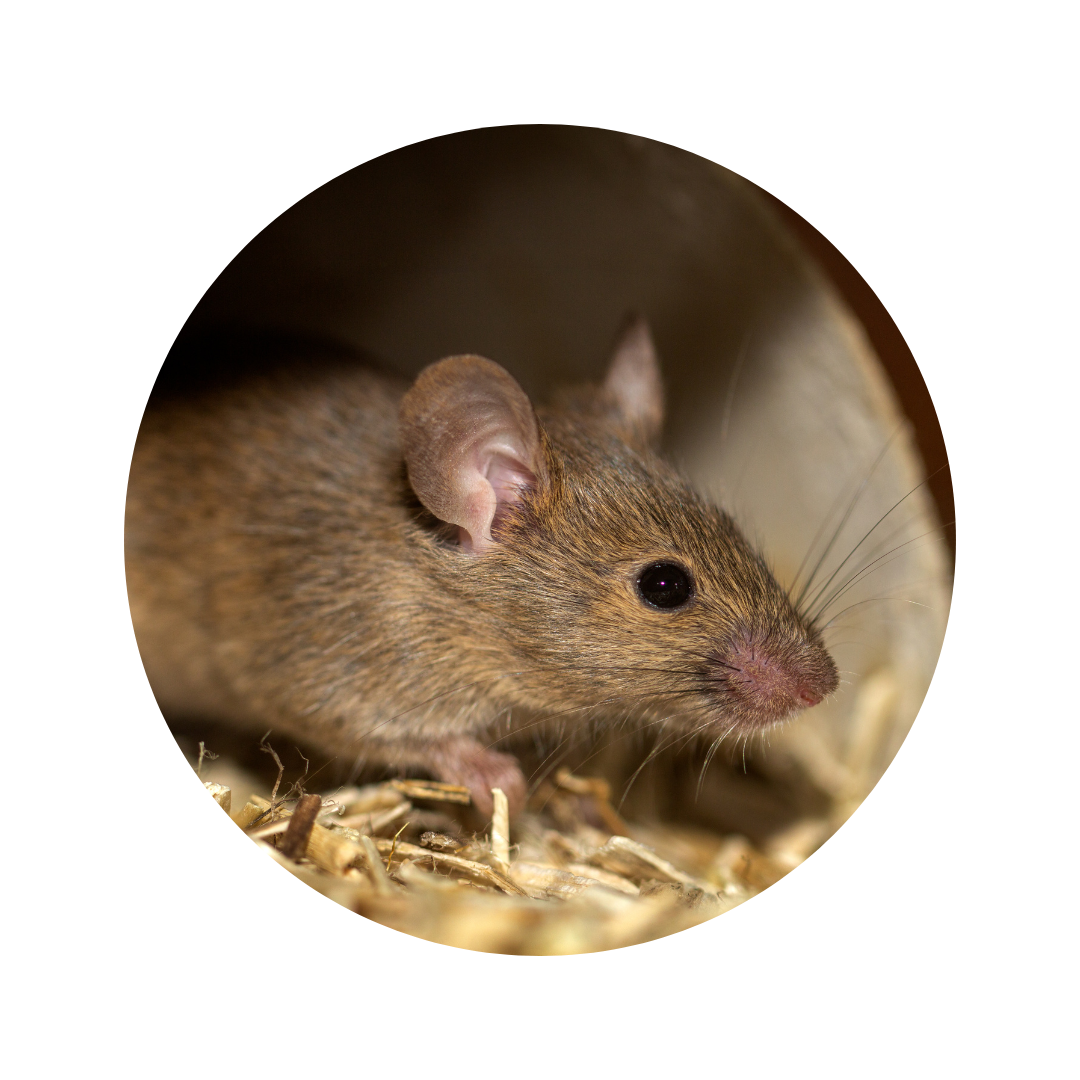
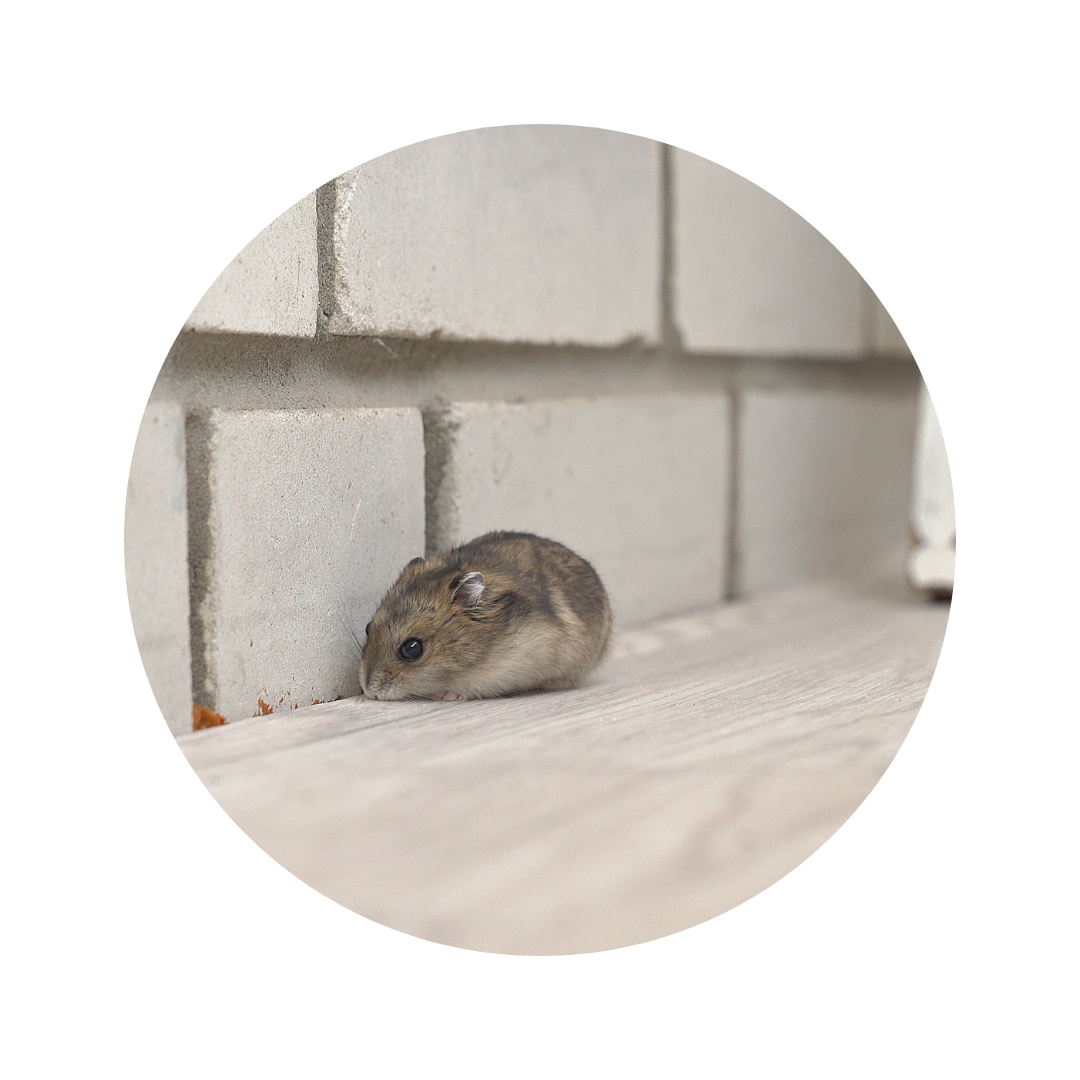
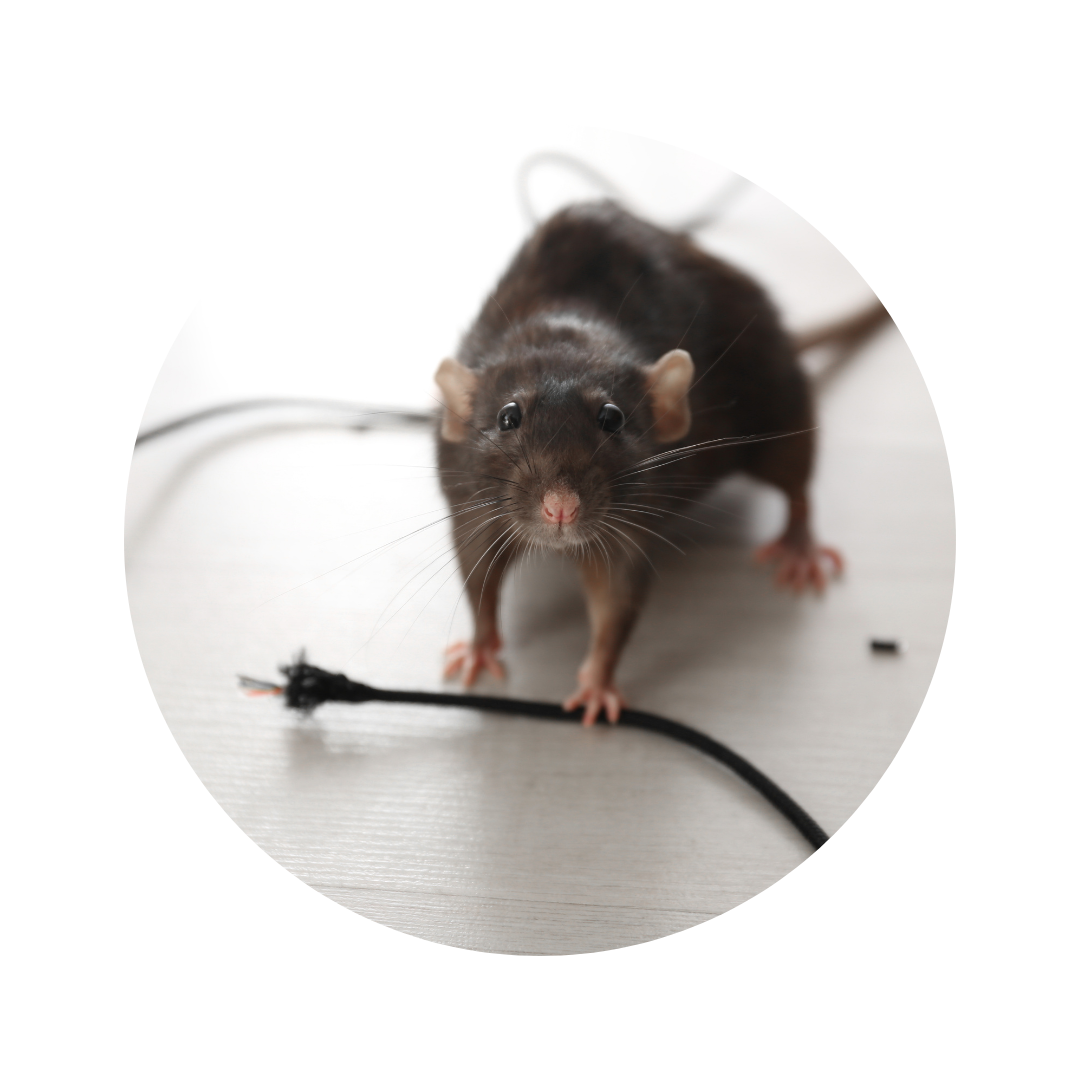
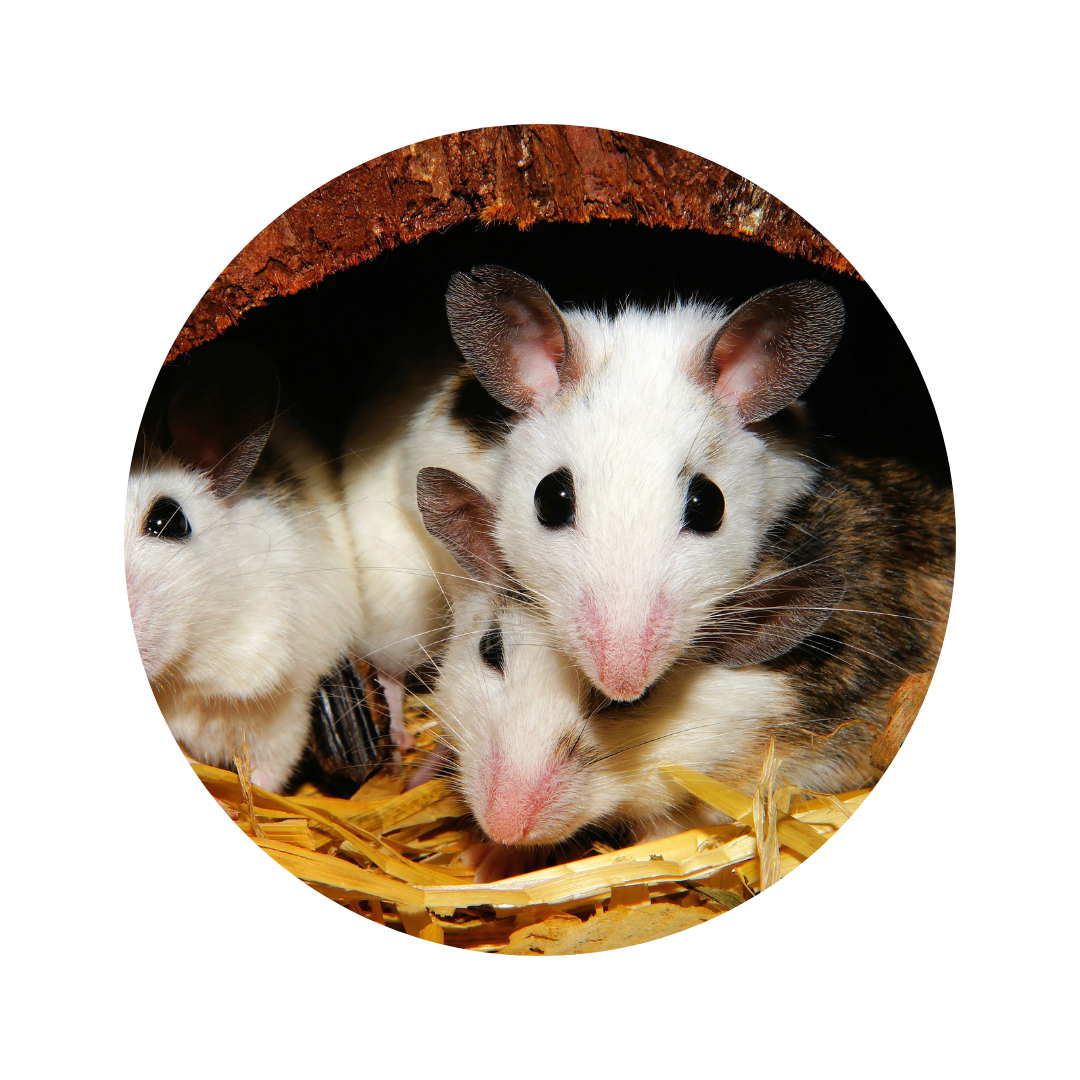
There are six different species of mice in the UK, some of these don’t cause pest control problems in homes and businesses. Mice have an average lifespan of around 18 months. The three main species of mice that can be a problem and may need pest control are field mice, house mice, and yellow-necked field mice.
Species | Characteristics |
Field Mouse | Field Mice are between 80 to 100mm in length, with an extra 70 to 90mm for their tail. They have brown fur, ranging from sandy to orange-brown, with lighter yellowish fur on their flanks and white fur on their belly. Some Field Mice also have a small yellow streak on their chest. |
House Mouse | House Mice are smaller than Field Mice and grow between 70 to 90mm long with a tail of around the same length. House Mice have smaller feet and heads but have large eyes and ears, distinguishing them from young brown rats. |
Yellow-Necked Field Mouse | Yellow-necked field mice can grow between 95 to 120mm in length with a tail between 75 to 110mm. They are often bigger than other common UK mice. They have brown fur on their backs with white fur on their underside. They get their name from the distinctive band of yellow fur around their necks. |
Mice and their Habits
Field Mouse
As the same suggests, Field Mice prefer to spend their time outdoors and will rarely venture inside. However, in the winter months, Field Mice will enter sheds or other standalone structures in search of food sources. This makes Field Mice more of a threat to businesses, such as farms or food storage than homeowners.
House Mouse
House Mice are far more common intruders in our homes and are active all year round in the search for food. House mice usually live at ground level and are burrowers, but they can also climb. House Mice will enter your home or business in search of food and prefer to eat cereals.
Yellow-Necked Field Mouse
Yellow-necked field mice are more common in rural areas and will enter homes and businesses in search of food. They make their home in hedges, gardens and rural buildings. They can pose a fire risk as they can easily gnaw through electrical wiring.